
Dig Into World Soil Day
Every December 5th, World Soil Day is celebrated internationally to raise awareness about soil health and advocate for sustainable management of soil resources. This year’s World Soil Day theme is “Healthy Soils, Healthy Cities.” This theme draws attention to soil in urban environments and highlights the damage of human activity on soil and the planet. Through World Soil Day, we can raise awareness around the importance of sustainable soil management.
The History of World Soil Day
World Soil Day was originally proposed in 2002 by the International Union of Soil Sciences at the 17th World Congress of Soil Science. This recommendation for a day dedicated to the importance of soil received large support from Thailand and the Food and Agricultural Organization’s (FAO) Global Soil Partnership. In June 2013, the FAO made a request for the United Nations (UN) to make an official adoption of World Soil Day. Within months, the UN finally declared December 5th, 2014, to become the first official World Soil Day. This date was selected to honor the late King Bhumibol Adulyadej of Thailand. Born on December 5th, King Adulyadej was a world-renowned soil scientist, conservationist, and advocate.
The Importance of Soil
Food is an integral part of being human, and while we celebrate food, humans must eat to survive. This survival is built on the foundation of soil as it is the best medium that humans use to grow food. It is such a great medium because it provides 15 of the 18 essential nutrients food needs to grow and thrive. This has resulted in 95 percent of our food being grown with soil. In addition to food, humans need water to survive. Soil ensures that there is clean water for consumption through water infiltration and retention by removing pollutants as water moves through soil. Today, the Intergovernmental Panel on Climate Change (IPCC) says that climate change is hindering efforts to meet the global demand for food. If our population growth worsens, and soil health continues to deteriorate, the struggle to feed people on the planet will intensify.
In addition to soil’s societal value of food, soil has many important environmental benefits. When it comes to ecological health, soil supports biodiversity by providing habitats for species above and below the ground. Soil also breaks down organic matter for the valuable nutrients that maintains ecosystem health, prevents erosion, and sequesters greenhouse gases like carbon dioxide, and other air pollutants. Human activity has reduced soil health over the years, impacting effectiveness of these environmental benefits. This year’s World Soil Day theme highlights the impacts of human activity on soil, specifically through the process of soil sealing. Soil sealing causes irreversible damage to our soil by covering it with materials like concrete and asphalt through paving roads. The consequences of this are severe and include: Worsened flooding, loss of biodiversity, increased urban heat islands, water scarcity, threats to food security, public health impacts from heat, and infrastructure damage from flooding.
How You Can Celebrate World Soil Day
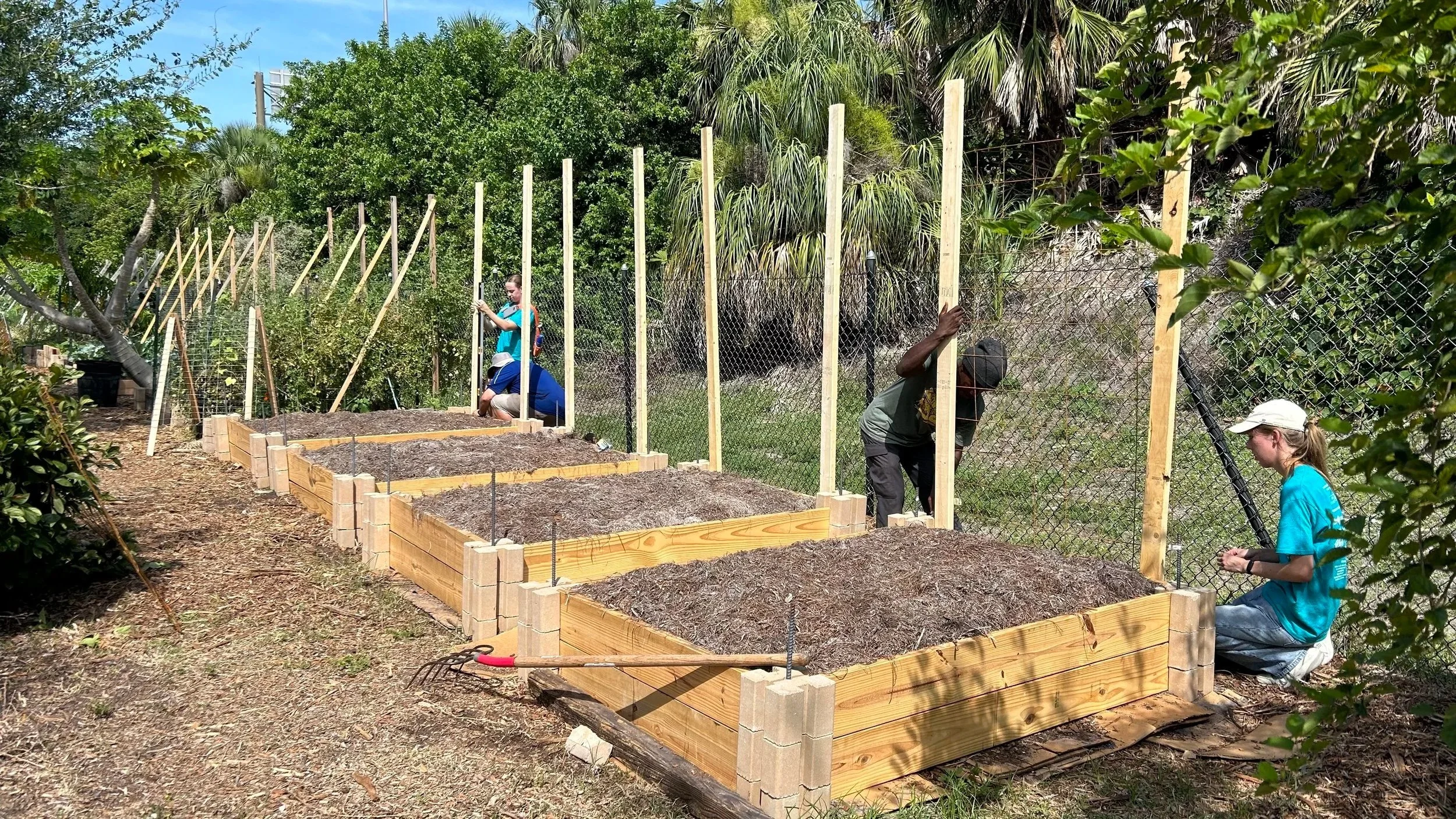
Garden Beds at Daystar Life
Start a compost bin: Composting significantly improves soil health by increasing organic matter, enhancing water retention, improving the soil structure, and adding vital nutrients. This encourages healthy microorganism growth, making soil more fertile to support plant growth. In addition to increased soil health, composting your food scraps provides more landfill space and reduces the amount of methane released into the atmosphere. The rotting of food scraps in landfills releases methane, which is a greenhouse gas more potent than carbon dioxide.
Plant a native tree: When you plant native species, they require less fertilizer and water than non-native species do. Regarding native trees, their root systems can prevent soil erosion by stabilizing topsoil and reducing runoff. Tree roots also enhance soil health by improving aeration and boosting the soil’s ability to absorb water. In addition, the roots act like natural tillers, working with the soil to retain moisture and store more water which can reduce drought in your yard and community.
Buy local produce: Supporting sustainable farming practices celebrates World Soil Day by protecting soil health as local farmers are more likely to use organic practices when growing produce. Locally sourced produce requires less emissions with reduced transportation, promotes biodiversity, and connects consumers to their food’s origin. In buying local produce, farmers can educate their consumers about where their food comes from and how it gets there.
Volunteer with local community gardens: Get involved with an organization that celebrates healthy sustainable soil. At Keep Pinellas Beautiful, we often work with community gardens such as Daystar Life in St. Petersburg. Daystar is a non-profit that focuses on nutritional insecurity and financial instability in the Pinellas County community. As part of their effort to combat nutritional insecurity, the St. Pete location runs an edible garden that has produced more than 9,600 pounds of produce. This food goes directly to the community through their food pantry. Please visit their website to learn more and check out our upcoming events page to sign up for a gardening volunteer event near you!