Pinellas County Recycles! But Are We Doing It Right?
In Pinellas County's 2025 Waste Composition Study, the County hand-sorted samples from 88 truckloads of trash to see what residents threw away. Plastic bottles and jugs, the easiest plastics to recycle, were still in the mix. Keep Pinellas Beautiful (KPB) staff and Education Ambassadors teach residents to recycle right at workshops and community events, while Plastics Ambassadors turn collected plastic into new items. Our organization aims to help every household recycle more of the right plastic and less of the wrong kind.
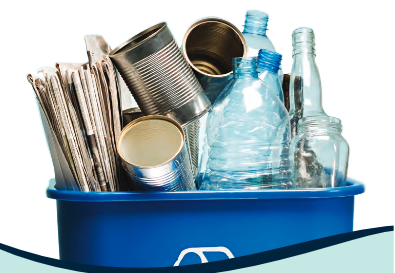
Here's how recycling works in Pinellas County. Your county, city, or hauler collects the contents of your recycling bin and delivers it to a Materials Recovery Facility (MRF). There, recyclables are sorted, bundled, and sold to manufacturers that turn them into new products. The system only works when the right items go in your bin. Pinellas recycles plastic by size and shape, not by the number stamped on the product. If an item has a neck smaller than its base, like a bottle or jug, it belongs in the bin: empty, clean, and cap off. Don’t toss the cap, though: some groups, including KPB, collect caps for small-scale recycling. Bring yours to the KPB office to donate to our Plastics Fabrication lab. Keep plastic bags (including garbage bags), foam, Styrofoam, and anything smaller than your fist out. They can damage sorting machines, put workers at risk, and spoil entire loads. When workers spot a bag of recyclables on the line, they don't open it; the whole bag goes to the trash. When in doubt, leave it out.
Most of us are trying to recycle, but we’re not always doing it right. Many of us are “wish-cycling”: putting items in the recycling bin that can’t actually be recycled but hoping they can. In the County’s 2026 Residential Recycling Awareness Survey, 90% of single-family residents said they recycle curbside, and 97% of those said they recycle plastic bottles and jugs. Yet about one in four respondents didn’t know that plastic bags never go in the recycling bin, though that number is improving. Apartment and condo residents face an extra hurdle: access. About one in three multi-family respondents (36%) said their complex doesn’t offer recycling at all. Where it is offered, 91% said they use it, and 68% of those without it said they would recycle if their complex made it available.
The trash tells a more complicated story. In the County’s trash samples, bottles and jugs still made up 1.2% of the waste analyzed. That sounds small until you consider the scale: by a rough estimate, it adds up to about 15,000 tons. That’s about 30 million pounds, as if every person in Pinellas County threw away a 30-pound sack of empty bottles and jugs each year. The good news is that the share has dropped from 1.8% in 2021–22. Multi-family trash held the most bottles and jugs of any household type, at 3.3%. Plastic film, including bags and wrap, was the largest plastic category in the trash, at 3.0%. Bags remain a sticking point, literally, since they jam the sorting equipment at the MRF.
Keep Pinellas Beautiful is working on the problem from two directions. Through the Plastics Ambassador Program, the Plastics Fabrication lab, launched in 2025, takes plastic that would otherwise be thrown away, granulates it down, and molds it into colorful, long-lasting items like drink coasters, carabiners, and flowerpots. So far, it has collected 946 pounds of plastic and made more than 250 items. Meanwhile, the Microplastics lab has spent nearly seven years sampling watersheds across the county, collecting and analyzing more than 1,000 samples for the Florida Microplastic Awareness Project. Those samples are a reminder of where plastic ends up when it slips through the system. KPB also offers free recycling presentations for community groups and organizations. To book one, visit our Education page.
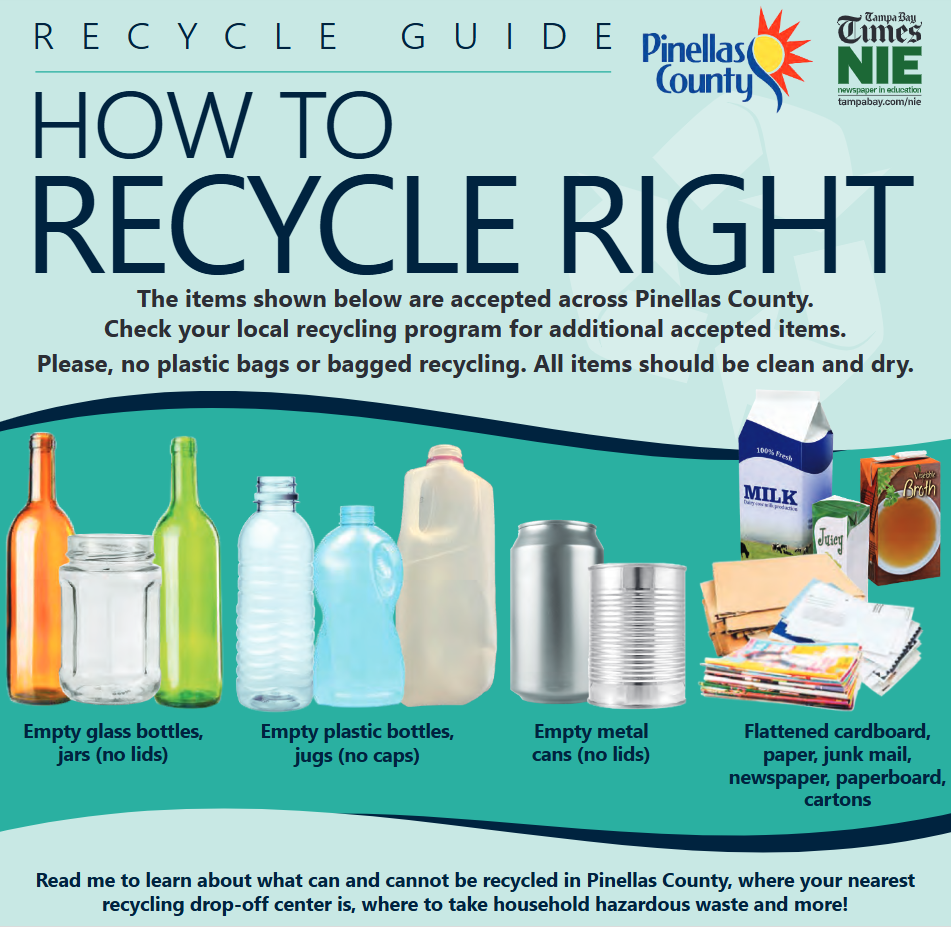
You can help, too. Start with the Pinellas County Recycle Guide. It shows what's accepted countywide and lists the phone number and website for your city or hauler, so you can confirm exactly what your local program takes. For trickier items, like batteries, cords, or old garden hoses, the County's Where Does It Go? search tool will show you the best way to reuse, recycle, or dispose of them. If you're still unsure, remember the rule: when in doubt, throw it out.
Once you've got the hang of it, pass it on. Show a neighbor, a family member, or the people who share your condo's recycling area. Keep in mind, too, that recycling is the last of the three R's (Reduce, Reuse, Recycle) for a reason. A bottle you never buy, or a bag you use again, never has to be sorted for recycling.
Want to do more? Volunteer at a KPB event or become an Ambassador by emailing volunteer@kpbcares.org or visiting www.kpbcares.org/get-involved.